
Argentina is a diverse country that offer something unique in every season. So there isn’t one best time to travel to Argentina.
For those who are travelling south to explore Patagonia, months from December to March offer the most favourable climatic conditions, with gentle weather. While Buenos Aires can be hot during this period, its charm doesn’t fade—alternatively, the cooler winter months of July and August bring crisp air and fewer crowds, making for a pleasant city escape.
The spring season (September to November) breathes new life into the Lake District, as vibrant wildflowers blanket the landscapes. In autumn, the wine regions around Mendoza are at their most stunning, with the golden and copper-hued vineyards glowing against the dramatic Andes.
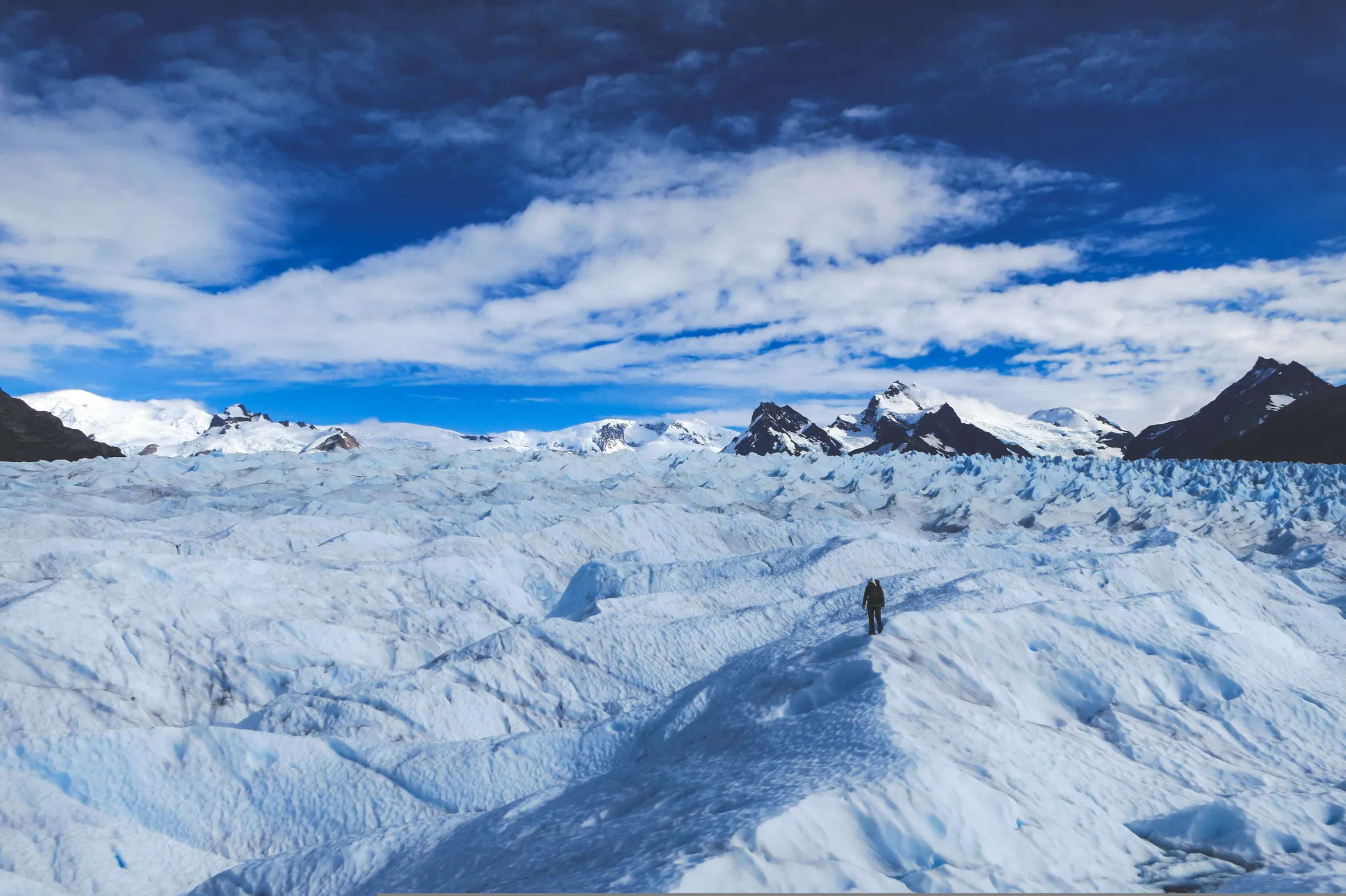
Argentina’s summer high during January and February makes it one of the best times to visit Argentina—especially if you're heading to Patagonia. Destinations like El Calafate and Bariloche are mostly popular during these months, thanks to their stunning landscapes and ideal hiking conditions. However, keep in mind that accommodation in these areas fills up quickly, so it’s wise to book well in advance.
While Patagonia shines in the summer, other regions of Argentina experience very different weather. The northwest can be quite rainy in January, and the northeastern wetlands, such as the Iberá Marshes, often see soaring temperatures and high humidity—conditions that may be less comfortable for travellers.
If you're planning your trip, aligning with regional climates will help you make the most of your journey.
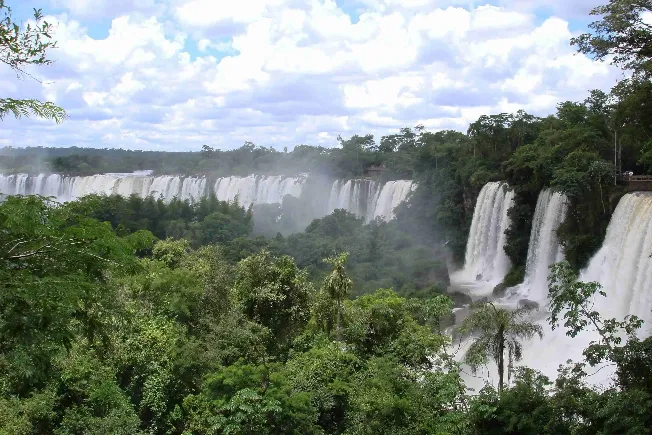
The Argentinian side of Iguazu Falls offers an unforgettable close-up encounter with one of the world’s most spectacular natural wonders. Located in Iguazú National Park, this side of the falls features a network o...

Argentinians aren’t shy about their love for beef, and one of the best ways to experience it is through asado—a signature element of traditional Argentine cuisine. This beloved form of Argentina’s BBQ is a soc...
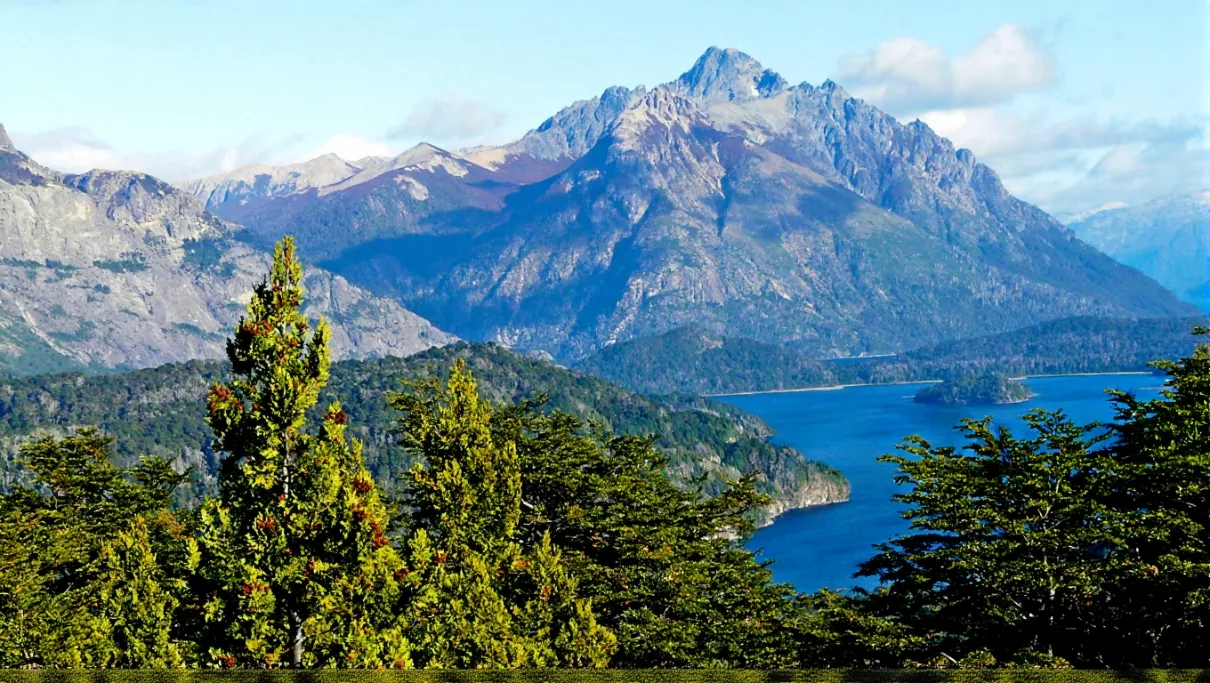
Campanario Hill (Cerro Campanario) is one of the top attractions in Bariloche, Argentina, offering breathtaking panoramic views of the Patagonian landscape. A quick chairlift ride takes visitors to the 1,050-metre summit, where...
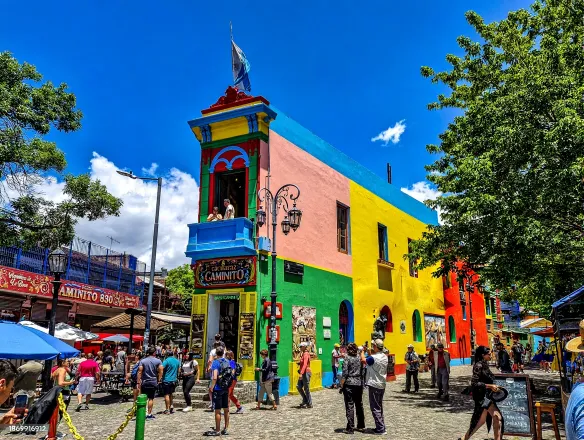
La Boca is one of Buenos Aires' most iconic and vibrant neighbourhoods, best explored on foot. This walking tour of La Boca Argentina, takes you through cobblestone streets lined with brightly painted houses, lively tango dance...
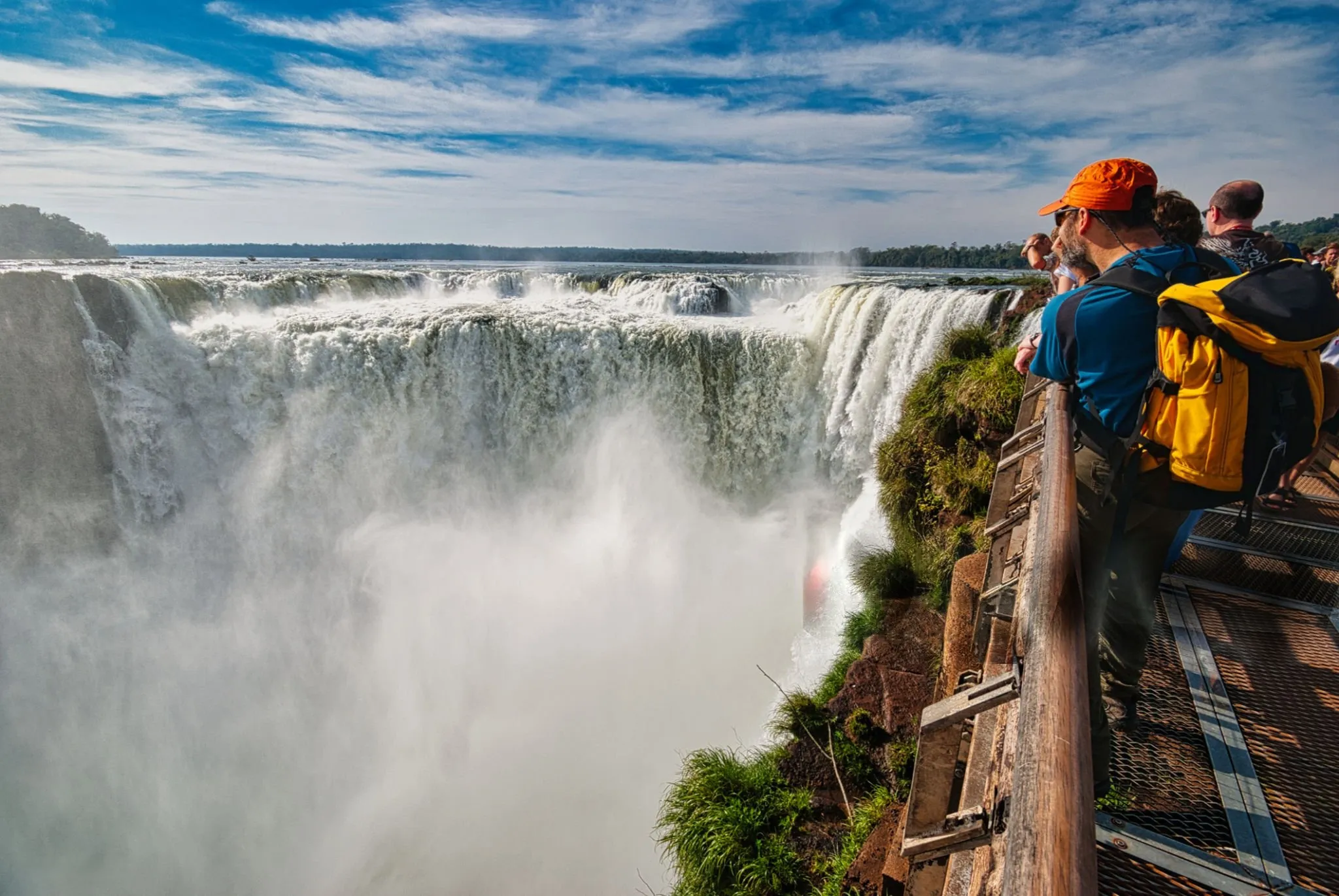
Devil’s Throat (Garganta del Diablo) is the most incredible and powerful section of Iguazu Falls, located on the border of Argentina and Brazil within Iguazu National Park. This massive U-shaped waterfall drops over 80 me...
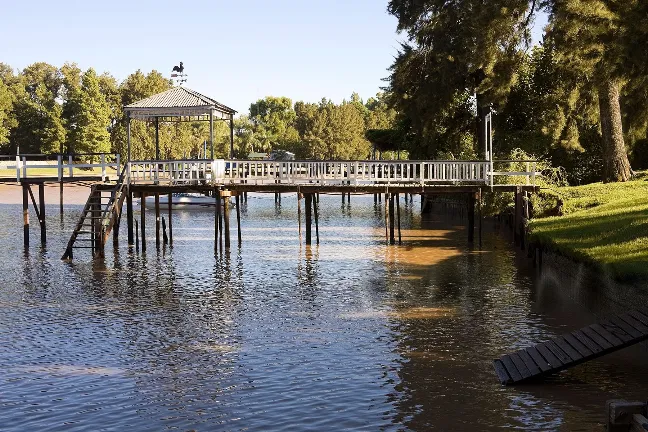
The Delta Island Tour is a perfect getaway from the hustle of Buenos Aires, offering a peaceful journey through the natural beauty of the Tigre Delta. Travel by boat through a maze of waterways surrounded by lush vegetation and...
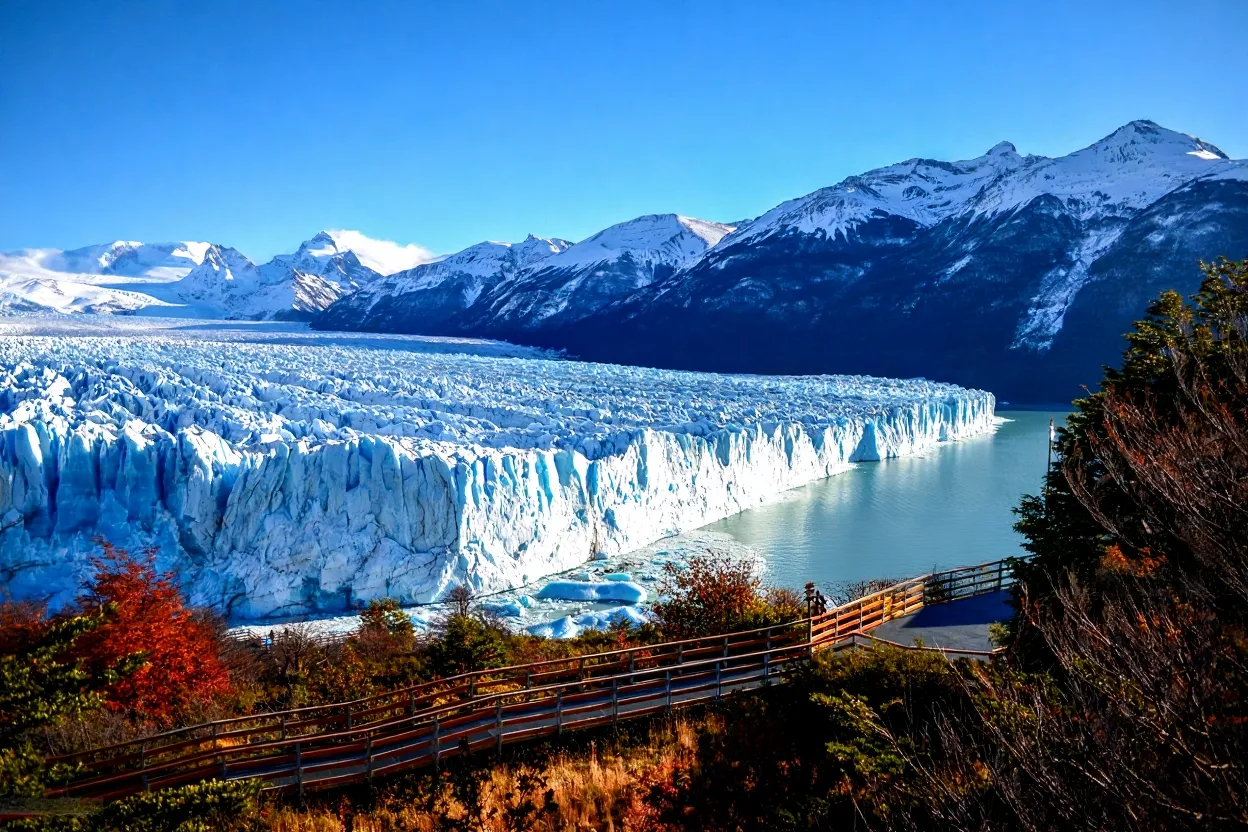
Los Glaciares National Park, located in Argentina’s Santa Cruz Province, is a UNESCO World Heritage Site renowned for its spectacular glaciers, including the world-famous Perito Moreno Glacier.
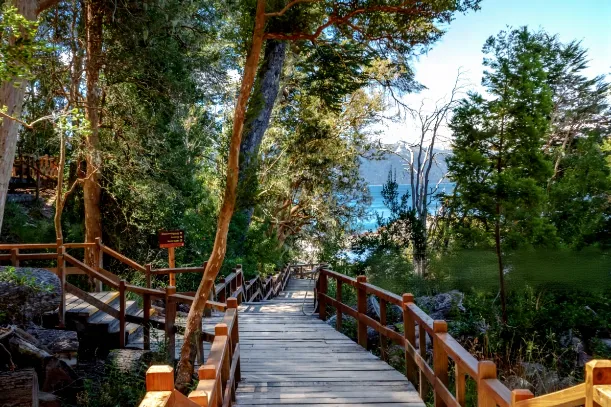
Myrtle Forest (Bosque de Arrayanes) in Argentina is a magical, centuries-old woodland located on the Quetrihué Peninsula near Villa La Angostura in Nahuel Huapi National Park. Known for its rare myrtle trees with cinnamo...
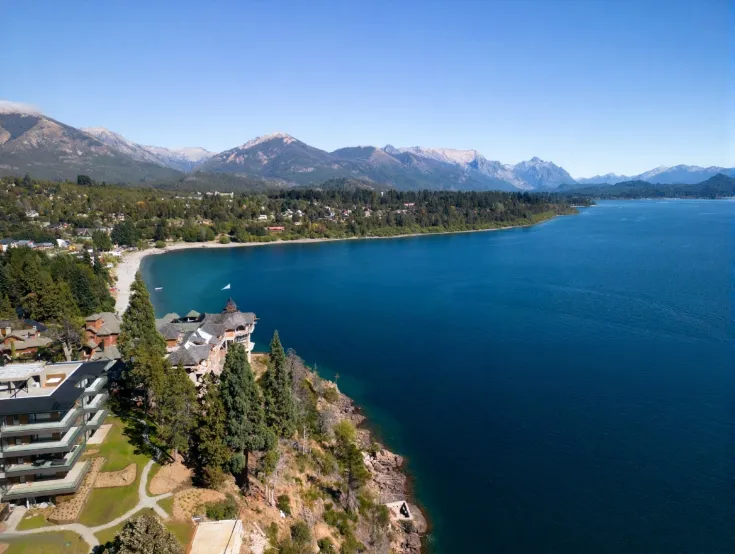
Nahuel Huapi Lake, located in the heart of Argentine Patagonia, is a vast glacial lake known for its crystal-clear waters, dramatic mountain backdrops, and vibrant blue hues. Spanning over 500 square kilometers, it lies within ...
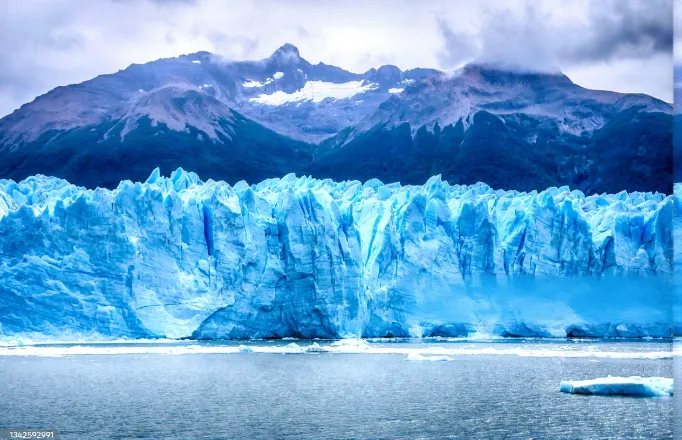
Perito Moreno Glacier, located in Los Glaciares National Park near El Calafate, is one of Argentina’s most awe-inspiring natural landmarks. Spanning 3 km wide and rising 80 metres high, it is one of the few glaciers in th...
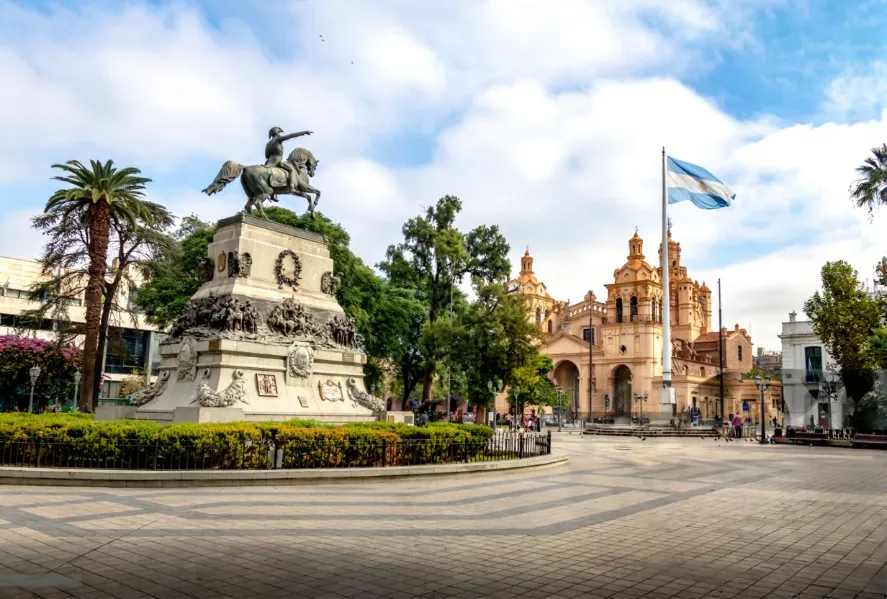
Plaza San Martín is one of Buenos Aires’ most historic and picturesque squares, located in the upscale Retiro neighbourhood. Surrounded by elegant architecture, leafy trees, and monuments, the plaza offers a peacef...
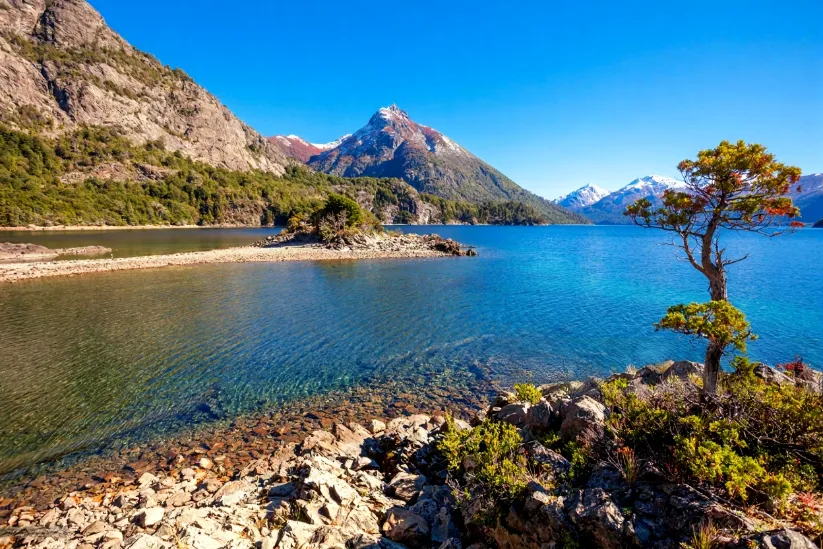
The Seven Lakes Route (Ruta de los Siete Lagos) in Argentina is one of the most scenic drives in Patagonia, connecting the towns of San Martín de los Andes and Villa La Angostura.
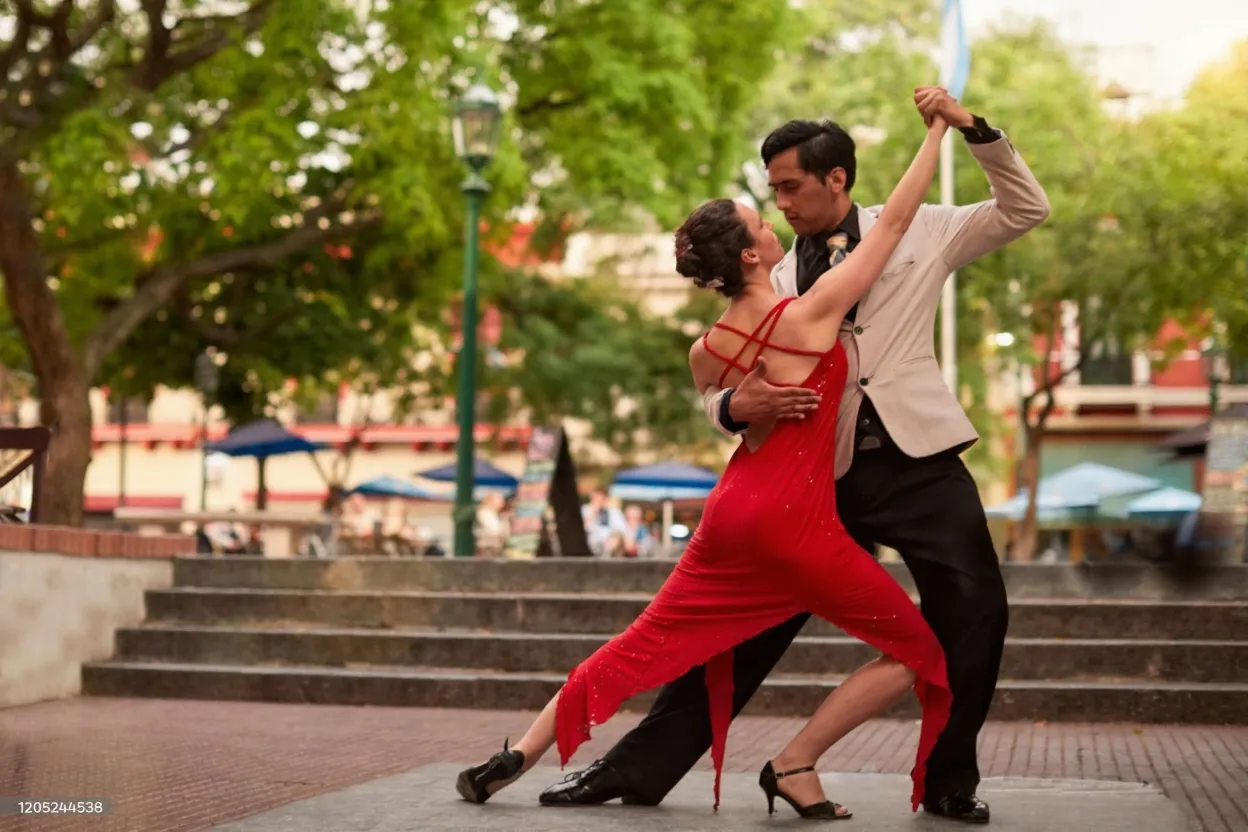
Experiencing a tango show in Argentina is a must for any visitor looking to connect with the country’s rich cultural heritage. Born in the streets of Buenos Aires, tango combines dramatic dance, soulful music, and powerfu...
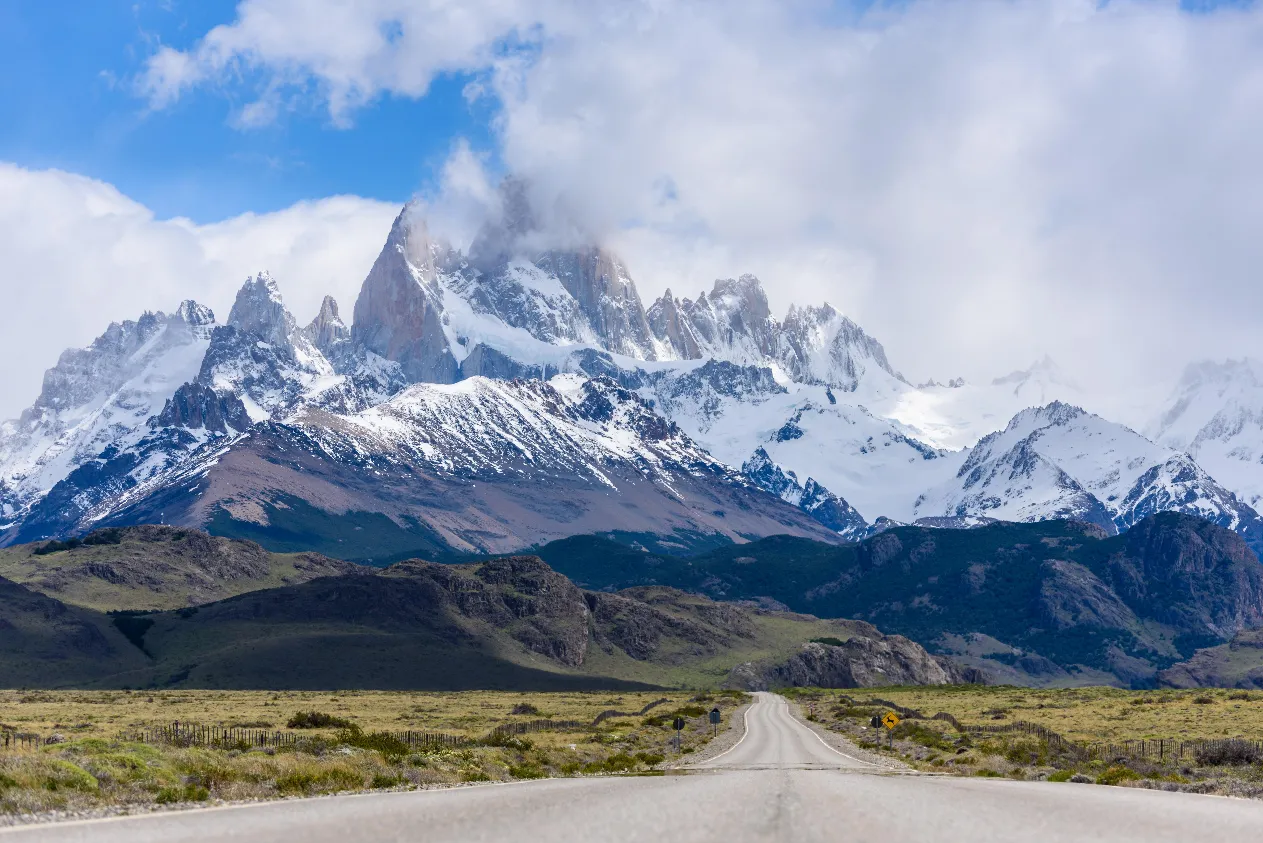
Argentina is both a place of vast natural beauty and geographic variety, constructed by terrains, weather, and exceptional variety that proposes good reasons to visit the country at any time of the year.
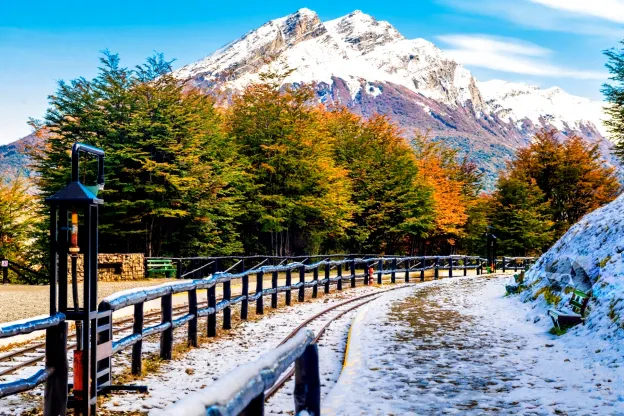
Tierra del Fuego National Park, located near Ushuaia at the southern tip of Argentina, is a stunning blend of forests, mountains, rivers, and coastal landscapes. As the only coastal national park in Argentina, it offers scenic ...
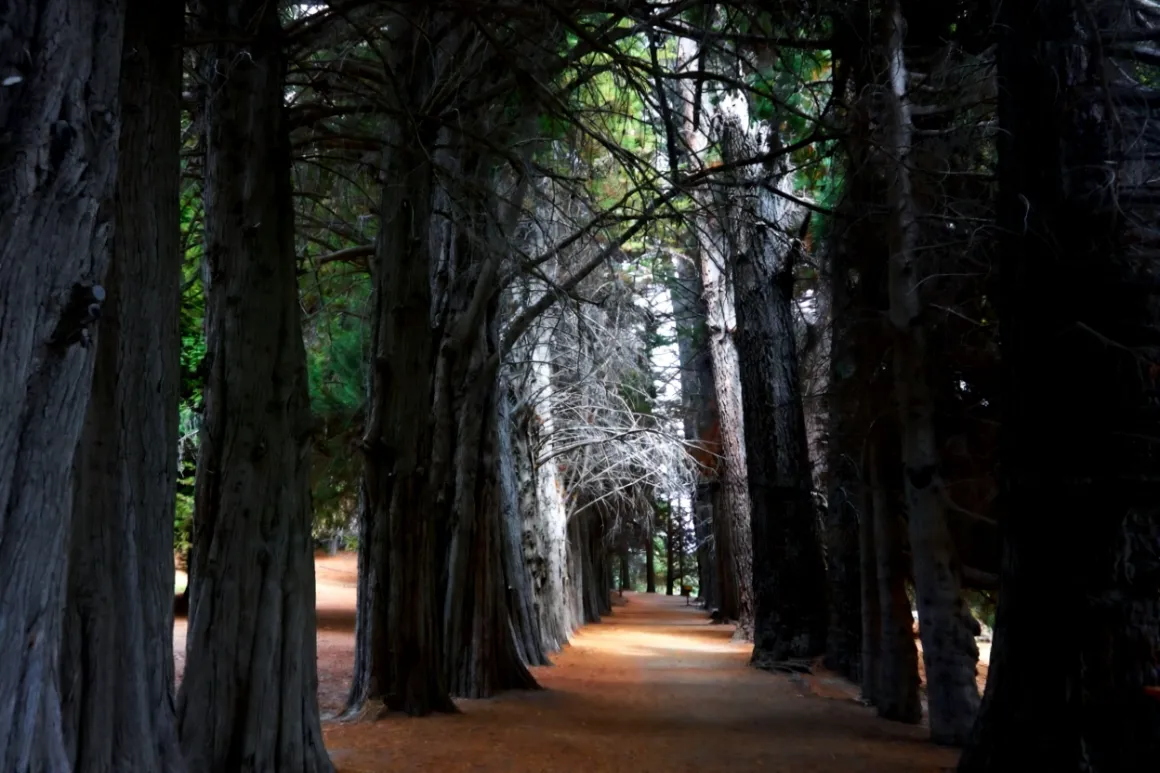
Victoria Island, located in the middle of Lake Nahuel Huapi in Argentina’s Patagonia region, is a natural paradise rich in native forest, scenic trails, and diverse wildlife.