Lake Pukaki
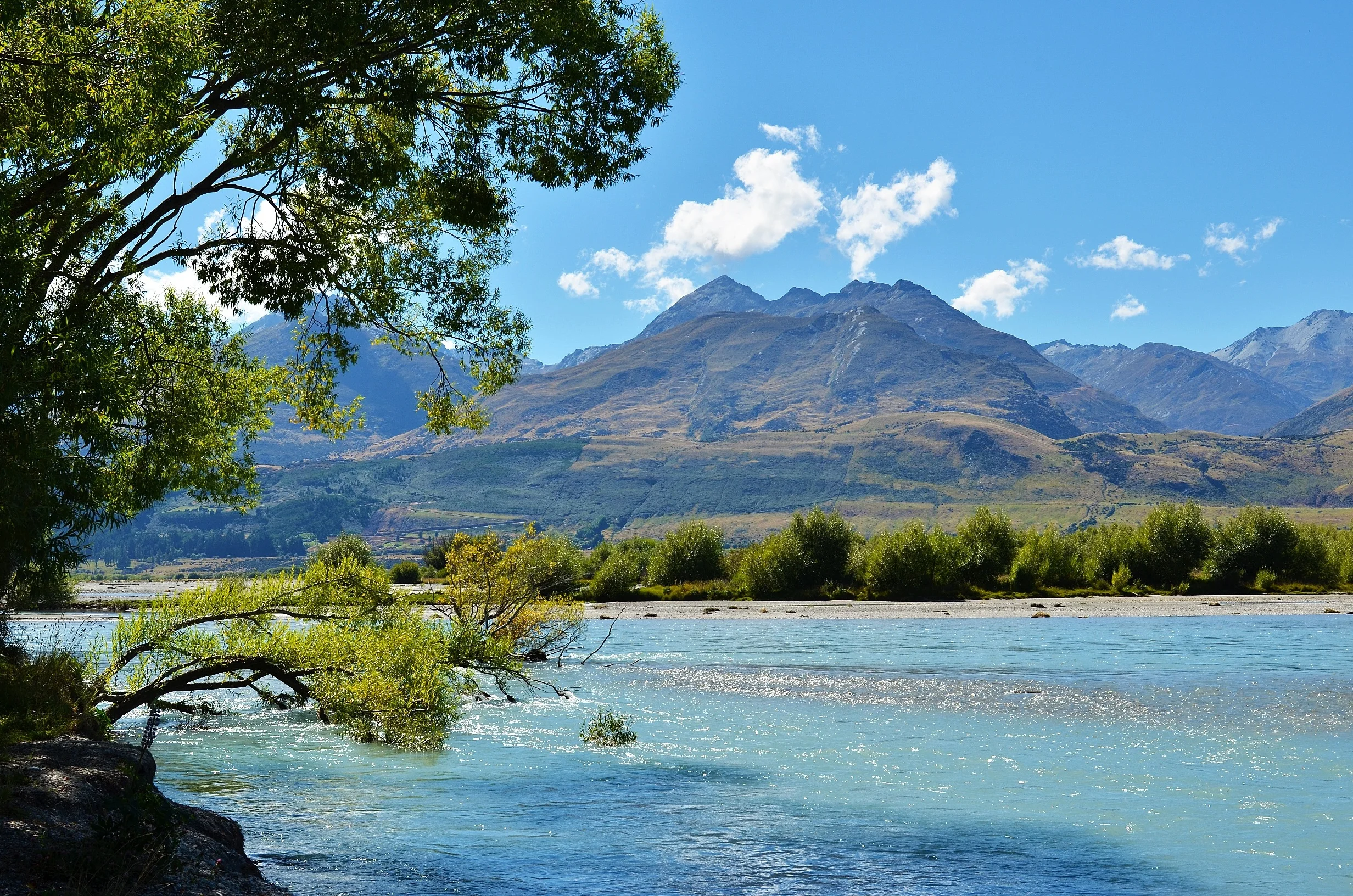
Few landscapes in the world capture the imagination quite like New Zealand’s South Island. Among its many natural gems, Lake Pukaki stands out as a breathtaking symbol of untouched beauty. Known for its dazzling turquoise waters and dramatic backdrop of Aoraki/Mount Cook, the country’s tallest mountain, Lake Pukaki is a destination that inspires awe and serenity in equal measure.
For travelers who seek both tranquility and adventure, a visit to Lake Pukaki offers an unforgettable experience. Whether you are road-tripping through the South Island, hiking in the Southern Alps, or simply soaking in the views, this lake is a highlight that should not be missed.
The Magic of Lake Pukaki
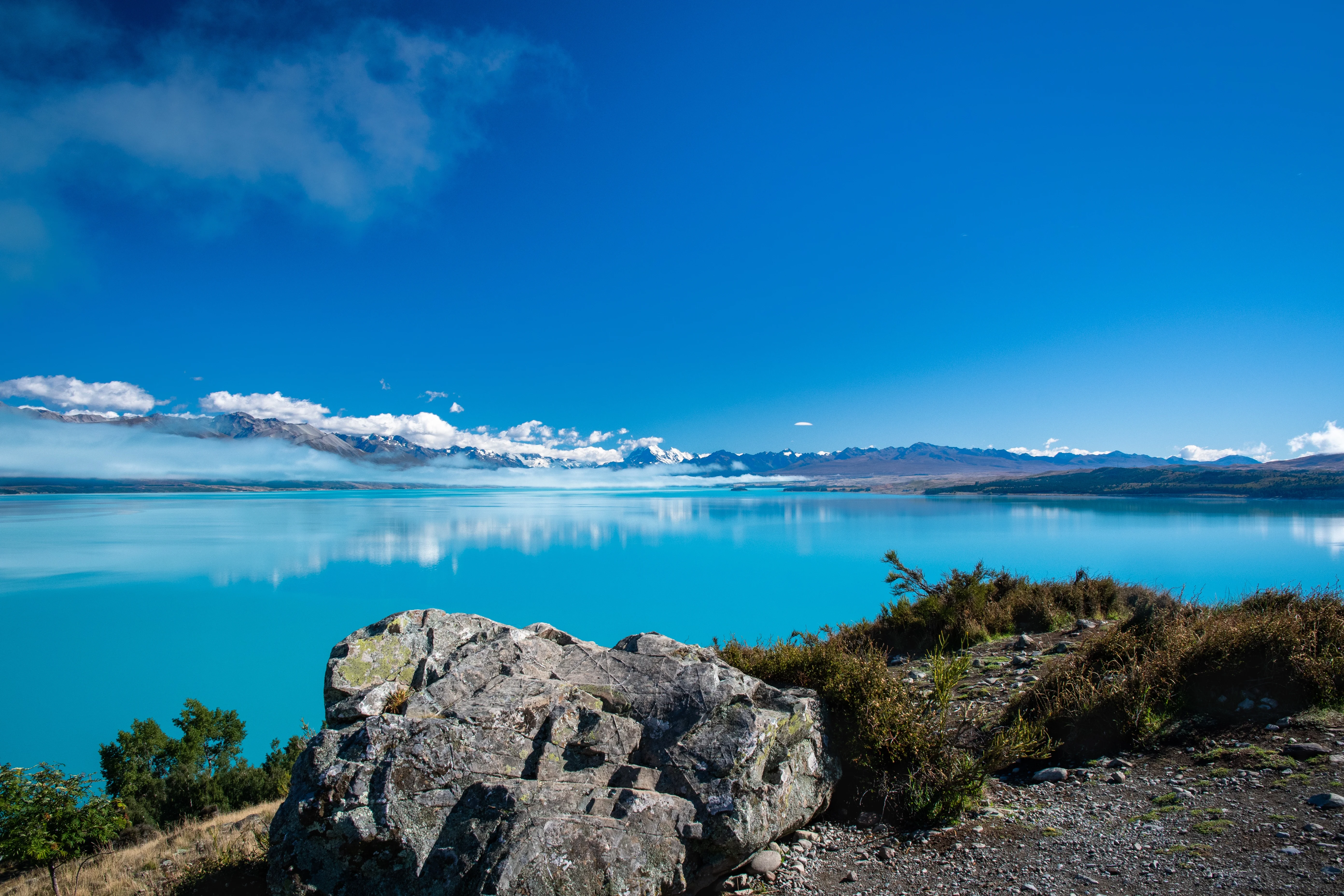
What makes Lake Pukaki truly unique is the surreal color of its water. The lake’s distinctive turquoise hue comes from glacial flour—fine rock particles ground by glaciers and carried into the lake by meltwater streams. When sunlight reflects off these particles, it creates an otherworldly blue that changes with the weather and time of day.
Covering nearly 180 square kilometers, Lake Pukaki is the largest of three alpine lakes (along with Lake Tekapo and Lake Ohau) that form part of New Zealand’s Mackenzie Basin. The surrounding landscape is a striking mix of wide open tussock grasslands, snow-dusted peaks, and endless skies.
A Gateway to Aoraki/Mount Cook
One of the most iconic views in New Zealand is the sight of Aoraki/Mount Cook rising majestically at the northern end of Lake Pukaki. The drive along State Highway 80, which runs along the lake’s edge toward Mount Cook National Park, is often called one of the most scenic routes in the world.
Visitors often stop at the Lake Pukaki Lookout, a rest area that provides panoramic views of the lake and mountains. On a clear day, the contrast of the turquoise water against the snow-capped peaks is picture-perfect. Photographers, nature lovers, and road-trippers alike find this spot irresistible.
Things to Do Around Lake Pukaki
While many visitors are content to admire the scenery, Lake Pukaki and its surroundings offer plenty of activities for those who want to explore further:
-
Scenic Walks and Hikes – There are numerous trails around the Mackenzie Basin that provide stunning lake and mountain views. The nearby Mount Cook National Park offers world-class hiking routes, including the Hooker Valley Track.
-
Cycling the Alps 2 Ocean Trail – This long-distance cycling trail begins at Aoraki/Mount Cook and passes alongside Lake Pukaki. Riders are treated to uninterrupted views of the turquoise lake and rugged peaks.
-
Fishing – Lake Pukaki is home to salmon and trout, making it a great spot for anglers. The clean, glacial waters ensure a rewarding fishing experience.
-
Stargazing – The Mackenzie Basin is part of the Aoraki Mackenzie International Dark Sky Reserve, one of the best places on earth for stargazing. On clear nights, the skies above Lake Pukaki reveal dazzling displays of stars, planets, and the Milky Way.
-
Picnicking and Relaxing – With several rest areas and quiet lakeside spots, Lake Pukaki is ideal for a picnic or a peaceful break during a South Island road trip.
A Taste of Local Flavors
One unique stop near the lake is the Mount Cook Alpine Salmon Shop, located at the southern end of Lake Pukaki. Here, visitors can sample and purchase fresh salmon harvested from the lake’s pristine waters. The shop also offers picnic-friendly snacks and souvenirs, making it a perfect stop before heading deeper into the mountains.
Seasonal Beauty
Lake Pukaki offers different charms throughout the year, making it a destination worth visiting in any season:
-
Summer (December–February): Warm weather and long daylight hours make it perfect for outdoor activities and photography.
-
Autumn (March–May): Crisp air and golden landscapes create a dramatic contrast with the turquoise lake.
-
Winter (June–August): Snow blankets the Southern Alps, adding an extra layer of beauty to the scenery. Stargazing is especially rewarding during clear winter nights.
-
Spring (September–November): Wildflowers bloom across the Mackenzie Basin, and the lake looks even more vibrant under fresh mountain snow.
Where to Stay
While there are no hotels directly on the shores of Lake Pukaki, travelers will find plenty of accommodation nearby:
-
Twizel – Just a 10-minute drive from the lake, Twizel offers hotels, motels, and holiday parks, making it a convenient base.
-
Mount Cook Village – Located further north within Aoraki/Mount Cook National Park, this is ideal for hikers and adventurers who want to stay close to the mountains.
-
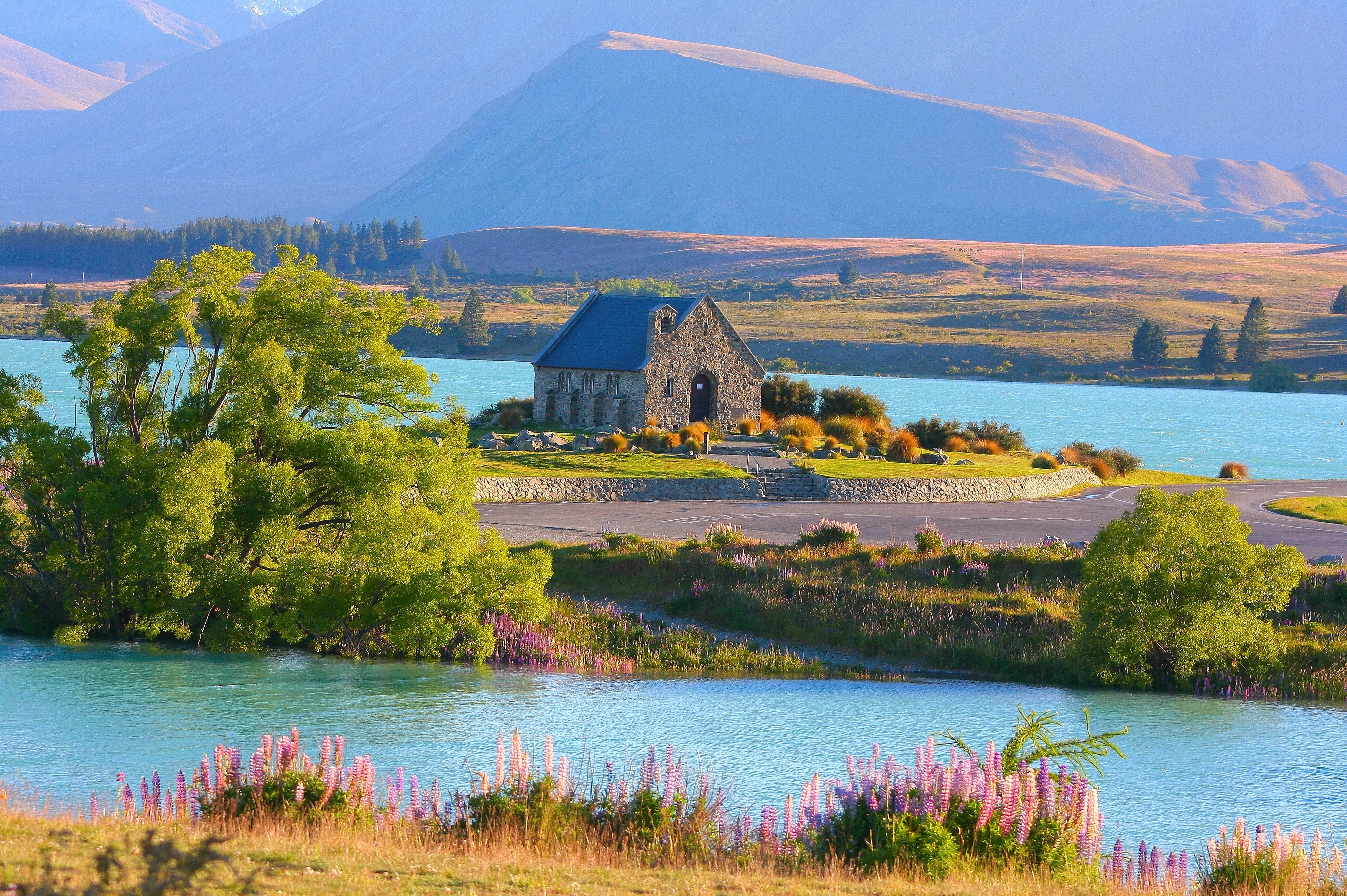
Lake Tekapo – About 40 minutes away, Lake Tekapo offers additional lodging along with attractions such as the Church of the Good Shepherd and Tekapo Springs hot pools.
Whether you’re seeking luxury lodges, cozy cottages, or budget-friendly stays, the Mackenzie Basin provides options for every traveler.
Tips for Visiting Lake Pukaki
-
Check the Weather – The lake’s color and visibility of Mount Cook vary with conditions. Clear days provide the best views.
-
Bring a Camera – Lake Pukaki is one of the most photographed spots in New Zealand, and for good reason.
-
Stay for Sunset or Sunrise – These times of day bring magical lighting, with the lake and mountains bathed in golden or pink hues.
-
Respect the Environment – Lake Pukaki is a pristine natural treasure. Always take your rubbish with you and leave no trace.
Why Lake Pukaki Should Be on Your Itinerary
Visiting Lake Pukaki, New Zealand is more than just a scenic stop—it’s an experience that combines natural wonder with cultural and culinary highlights. From gazing at the turquoise waters and snow-capped mountains to tasting fresh salmon and marveling at star-filled skies, Lake Pukaki offers moments that stay with you forever.
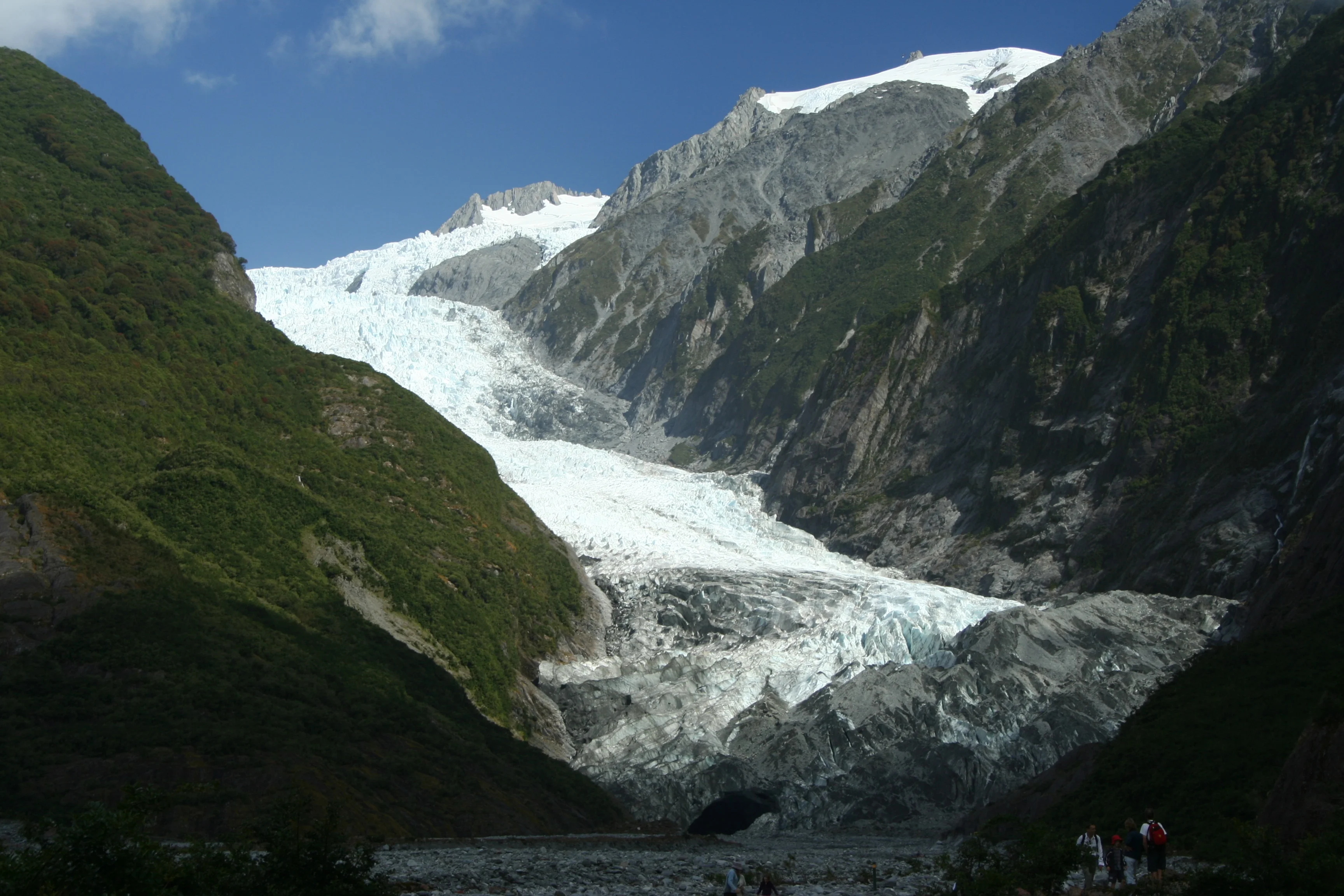
With Skanda Holidays, your South Island journey can be designed to include this jewel of the Mackenzie Basin, along with other nearby wonders like Lake Tekapo, Mount Cook National Park, and the dazzling Southern Alps.
In a country famous for its beauty, Lake Pukaki still manages to stand out—a place where nature’s colors, power, and serenity meet in perfect harmony.