
The best time to Visit Bolivia depends on where you go. Although it is a country of climatic extremes, it can be visited all year round. The Bolivia best time to travel to the highland areas is from April to October — this is the cold winter period, but it should be dry with plenty of blue skies and sunshine and temperatures around the mid-teens.
The start (April–May) and end (October) of this dry season are particularly good times to go, as there are fewer crowds. You can still enjoy the lushness of the green vegetation left over from the rains in April, while October sees spring on the horizon, with the weather starting to warm up. These shoulder months are also a great time to find more availability and better deals on Bolivia tours, offering a more relaxed and scenic travel experience.
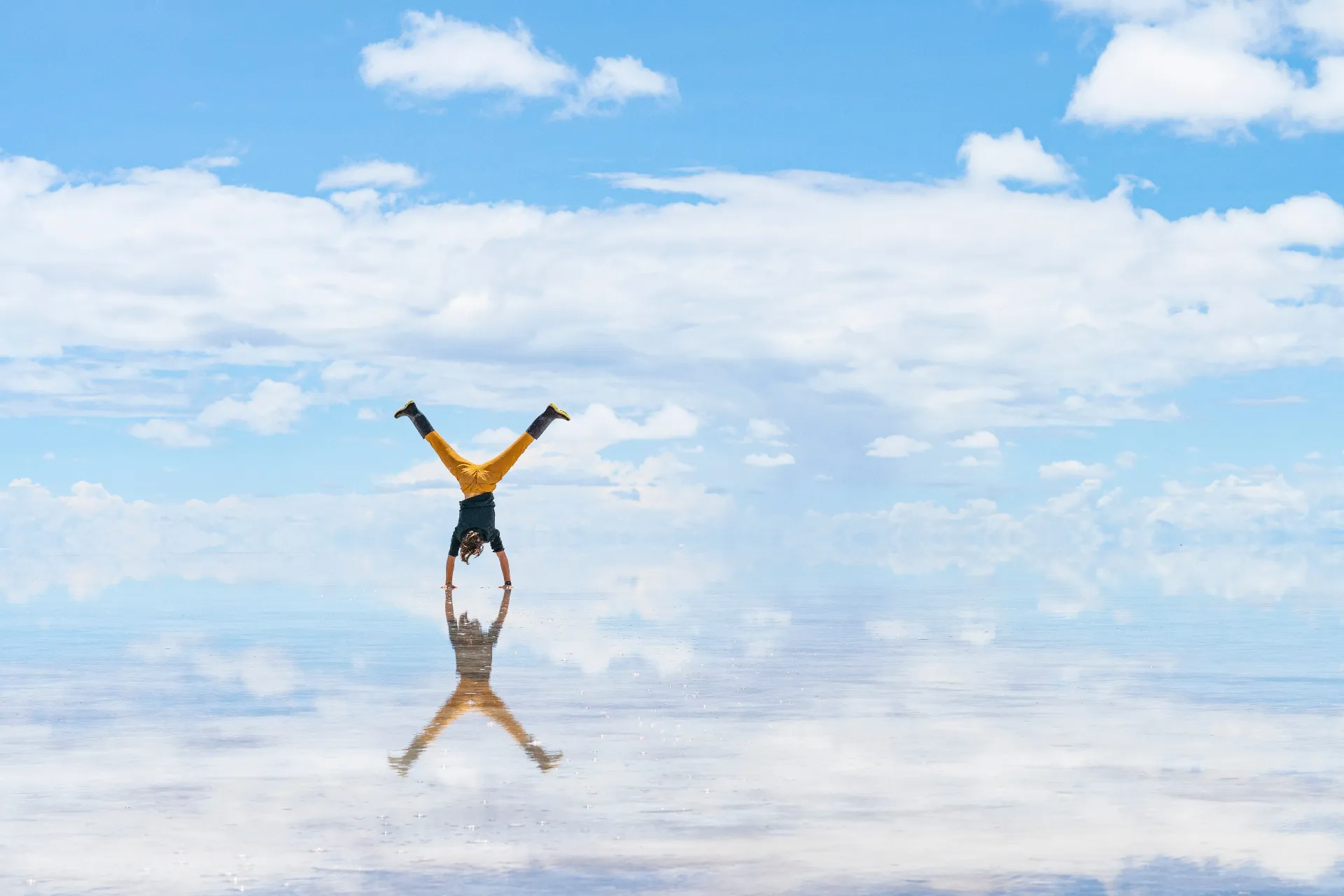
As the rainy season sets in, Bolivia undergoes a subtle transformation. The highland regions become slightly warmer, while the lowlands turn lush and humid. Though travel can be affected by heavy rains — with some routes requiring detours — it’s still an exciting time for intrepid travellers who don’t mind a few delays. In fact, those willing to go off the beaten path are rewarded with one-of-a-kind experiences, like the surreal mirror-like reflections on the Uyuni Salt Flats, turning the landscape into a dreamlike canvas.
While some overland journeys may take longer, the rewards — especially for photographers — are well worth the detour.
Cultural Highlights & Celebrations
Carnival (February) : An explosion of sound and colour, Carnival is celebrated with great enthusiasm all over Bolivia. The most famous celebrations being held in Oruro, a UNESCO World Heritage site for cultural events, and the vibrant city of Santa Cruz.
Feria de Alasitas (Late January): It is a kind festival that takes place in La Paz and converts streets into a market of miniature hopes and aspirations. Bolivian citizens will buy tiny replicas of homes, cars, money, etc., to offer to Ekeko, the Andean god of abundance. It is a fun yet meaningful festival that provides a glimpse into Bolivia's spiritual culture.
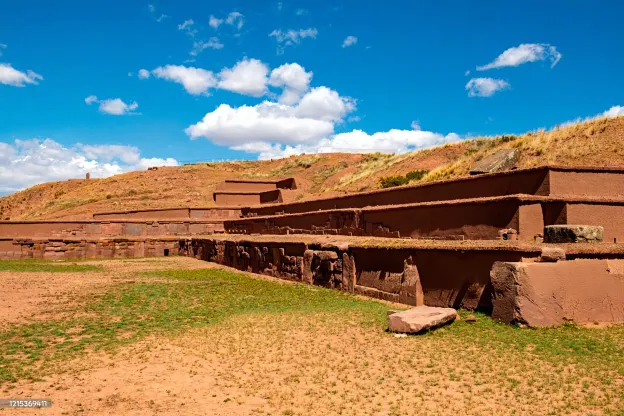
The Akapana Pyramid, located within the ancient city of Tiwanaku in Bolivia, stands as one of the most significant and mysterious monuments of the pre-Inca Tiwanaku civilisation.
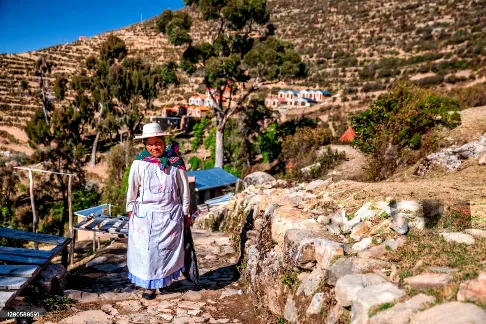
Weather can be a little confusing in Bolivia, especially in the capital, where temperatures can soar during the day and dip below freezing at night—so pack appropriately for both extremes. A key point in any Bolivia trave...
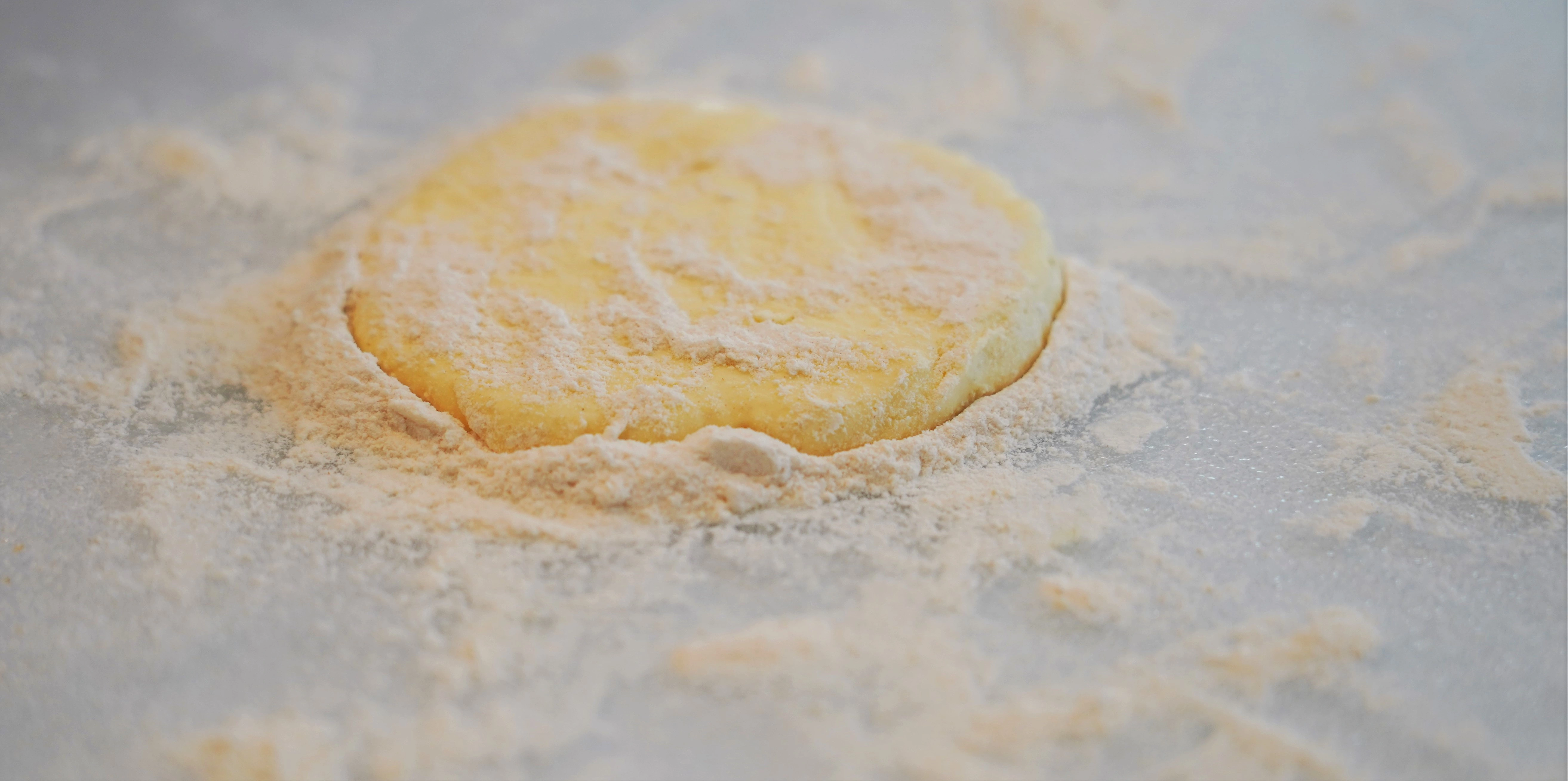
Bolivian cuisine is a flavourful blend of Spanish, Argentinian, German, and Italian influences, all intertwined with local ingredients and an eclectic selection of meats. This fusion has created some of the most popular food in...
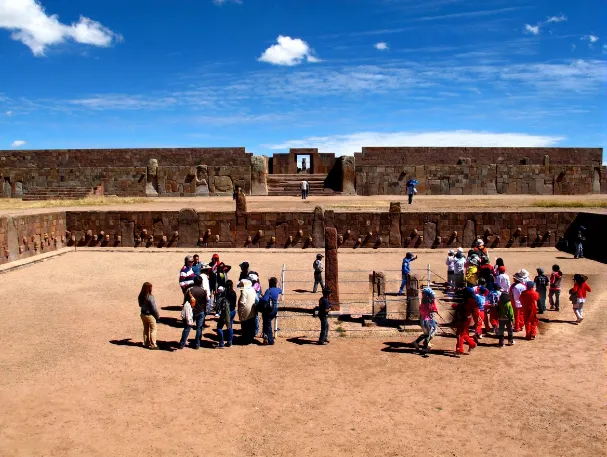
The Kalasasaya Temple, located in the archaeological site of Tiwanaku near Lake Titicaca in Bolivia, is one of the most significant ceremonial structures of the pre-Inca Tiwanaku culture. Built with massive stone slabs, this so...
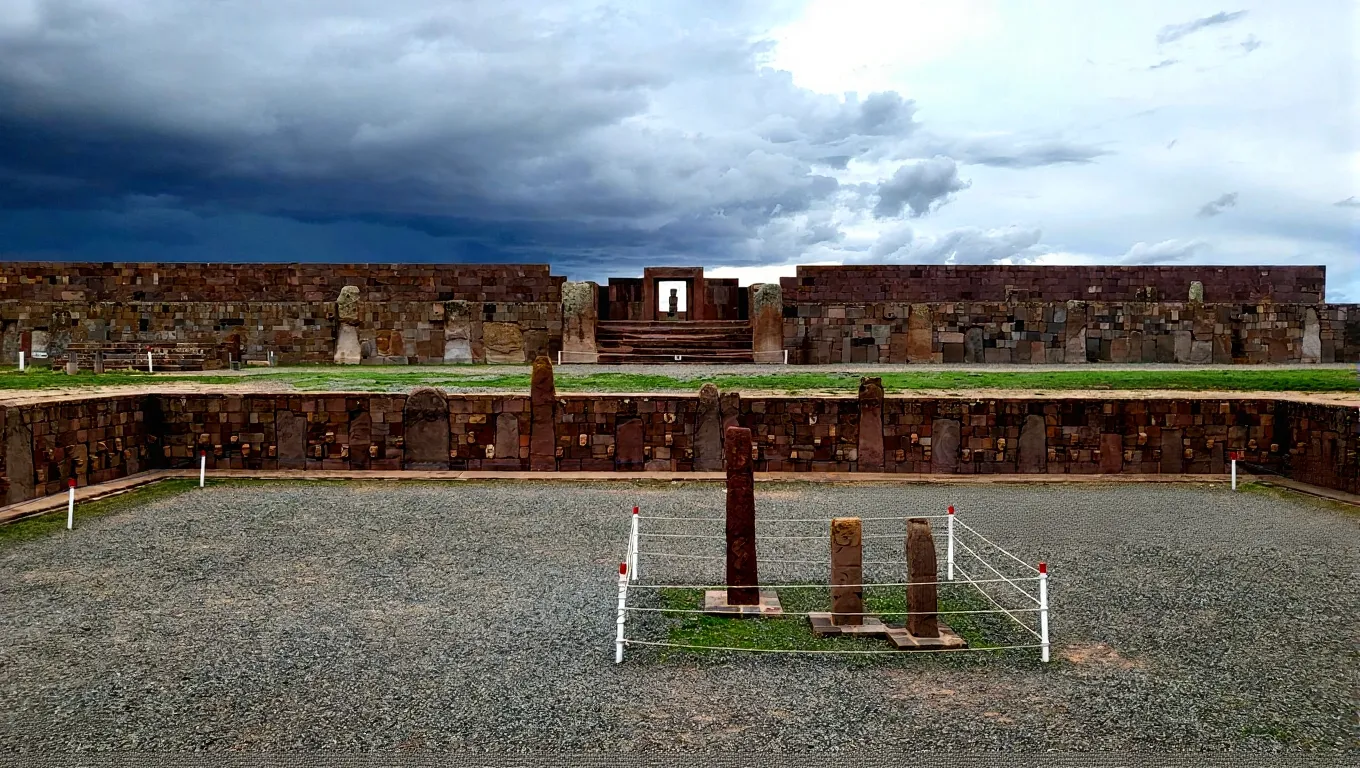
The Semi-Subterranean Temple, located at the Tiwanaku archaeological site in Bolivia, is a captivating pre-Inca structure built below ground level. Known for its sunken courtyard and mysterious stone heads embedded in the walls...