
The best time to travel to New Zealand is during the summer months of December to March. Long, sunny days and temperatures between 16°C and 24°C make it ideal for exploring beaches and enjoying outdoor activities like hiking and mountain biking. If you’re wondering when to visit New Zealand, this is the peak season, especially for nature lovers and adventure seekers.
If you're starting to see a pattern, you are right! New Zealand's diverse and often unique landscapes make it a beautiful destination for year-round travel. Winter (June to September) marks the New Zealand travel season for skiers since snow can be found on the South Island and the upper portions of the North Island. Spring and autumn are marked by mild temperatures, fewer crowds, and beautiful landscapes, making both seasons ideal for travellers looking to enjoy New Zealand at a slower pace.
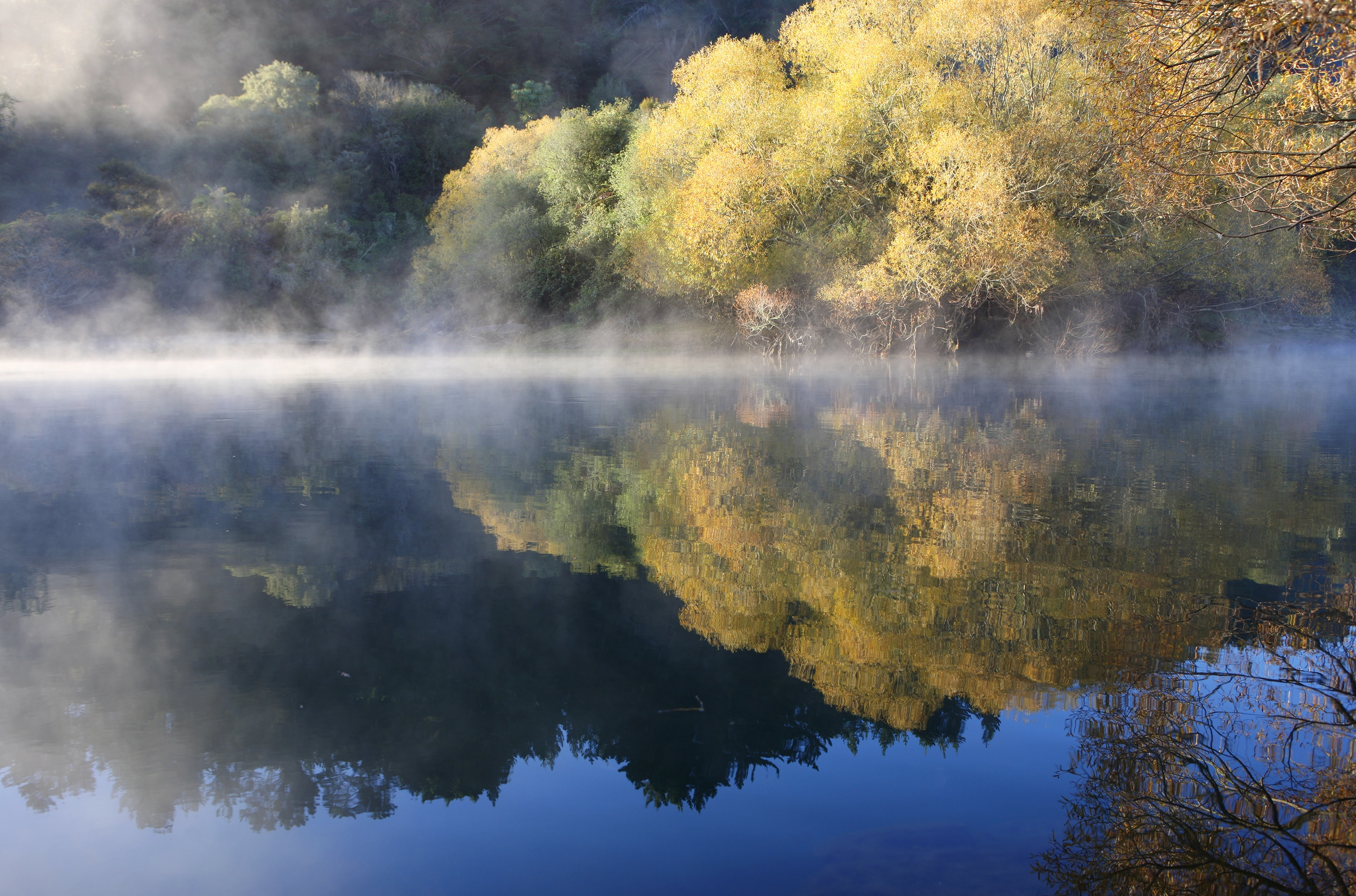
Summer, from january to February, is widely considered the best time to visit New Zealand. With long, sunny days and warm temperatures, it's ideal for snorkelling, hiking, and enjoying the country's stunning beaches. Wildlife lovers will also find this season rewarding, with increased chances of spotting dolphins and fur seals off the South Island’s coast. Keep in mind, though, that school holidays in early January and a steady flow of international tourists through February can make accommodation limited—so early booking is recommended.
Autumn, from March to May, offers a quieter and more relaxed experience, making it one of the best times to travel to New Zealand for those seeking fewer crowds and beautiful natural scenery. As the days get cooler and summer crowds dwindle, prices decrease, the roads become calmer, and the autumn colours make for beautiful scenery. Even though the weather can shift, this is still a good time for seeing the wildlife and taking picturesque road trips.
Autumn, from March to May, offers a quieter and more relaxed experience, making it one of the best times to travel to New Zealand for those seeking fewer crowds and beautiful natural scenery. As the days get cooler and summer crowds dwindle, prices decrease, the roads become calmer, and the autumn colours make for beautiful scenery. Even though the weather can shift, this is still a good time for seeing the wildlife and taking picturesque road trips.
Winter in New Zealand - June to August - is a different and relaxing time to explore the country. The North Island tends to experience more rain - some activities may close down - but the wonderful beauty of the snow-covered South Island scenery is a draw for international ski visitors. For many visitors, this is the best time of year to visit New Zealand if you are interested in winter sports, impressive alpine landscapes, and quiet roads.
Autumn, from March to May, offers a quieter and more relaxed experience, making it one of the best times to travel to New Zealand for those seeking fewer crowds and beautiful natural scenery. As the days get cooler and summer crowds dwindle, prices decrease, the roads become calmer, and the autumn colours make for beautiful scenery. Even though the weather can shift, this is still a good time for seeing the wildlife and taking picturesque road trips.
Winter in New Zealand - June to August - is a different and relaxing time to explore the country. The North Island tends to experience more rain - some activities may close down - but the wonderful beauty of the snow-covered South Island scenery is a draw for international ski visitors. For many visitors, this is the best time of year to visit New Zealand if you are interested in winter sports, impressive alpine landscapes, and quiet roads.
As winter settles in, parts of the North Island—like Rotorua and the Bay of Islands—remain popular thanks to their milder climate. Meanwhile, the South Island offers its own winter magic, especially in Kaikōura, where humpback whales pass by on their migration north. For wildlife lovers and those seeking fewer crowds, this can still be the best time to visit New Zealand.
Autumn, from March to May, offers a quieter and more relaxed experience, making it one of the best times to travel to New Zealand for those seeking fewer crowds and beautiful natural scenery. As the days get cooler and summer crowds dwindle, prices decrease, the roads become calmer, and the autumn colours make for beautiful scenery. Even though the weather can shift, this is still a good time for seeing the wildlife and taking picturesque road trips.
Winter in New Zealand - June to August - is a different and relaxing time to explore the country. The North Island tends to experience more rain - some activities may close down - but the wonderful beauty of the snow-covered South Island scenery is a draw for international ski visitors. For many visitors, this is the best time of year to visit New Zealand if you are interested in winter sports, impressive alpine landscapes, and quiet roads.
As winter settles in, parts of the North Island—like Rotorua and the Bay of Islands—remain popular thanks to their milder climate. Meanwhile, the South Island offers its own winter magic, especially in Kaikōura, where humpback whales pass by on their migration north. For wildlife lovers and those seeking fewer crowds, this can still be the best time to visit New Zealand.
As spring arrives, temperatures begin to climb, and melting mountain snow feeds the rivers—creating ideal conditions for white-water rafting. While the weather can still be unpredictable, this is a peaceful time to explore, with fewer tourists, quiet roads, and more availability in accommodation. September also offers delightful wildlife moments, from playful newborn lambs in the fields to orcas cruising along the coastline.
Autumn, from March to May, offers a quieter and more relaxed experience, making it one of the best times to travel to New Zealand for those seeking fewer crowds and beautiful natural scenery. As the days get cooler and summer crowds dwindle, prices decrease, the roads become calmer, and the autumn colours make for beautiful scenery. Even though the weather can shift, this is still a good time for seeing the wildlife and taking picturesque road trips.
Winter in New Zealand - June to August - is a different and relaxing time to explore the country. The North Island tends to experience more rain - some activities may close down - but the wonderful beauty of the snow-covered South Island scenery is a draw for international ski visitors. For many visitors, this is the best time of year to visit New Zealand if you are interested in winter sports, impressive alpine landscapes, and quiet roads.
As winter settles in, parts of the North Island—like Rotorua and the Bay of Islands—remain popular thanks to their milder climate. Meanwhile, the South Island offers its own winter magic, especially in Kaikōura, where humpback whales pass by on their migration north. For wildlife lovers and those seeking fewer crowds, this can still be the best time to visit New Zealand.
As spring arrives, temperatures begin to climb, and melting mountain snow feeds the rivers—creating ideal conditions for white-water rafting. While the weather can still be unpredictable, this is a peaceful time to explore, with fewer tourists, quiet roads, and more availability in accommodation. September also offers delightful wildlife moments, from playful newborn lambs in the fields to orcas cruising along the coastline.
Early summer in New Zealand brings more than just warmer weather—it transforms the landscape with vivid blooms of wild gorse and colourful lupins, creating truly amazing scenery. As the peak travel season kicks off, popular attractions start to get busier, so it’s wise to book accommodation in remote areas well in advance.
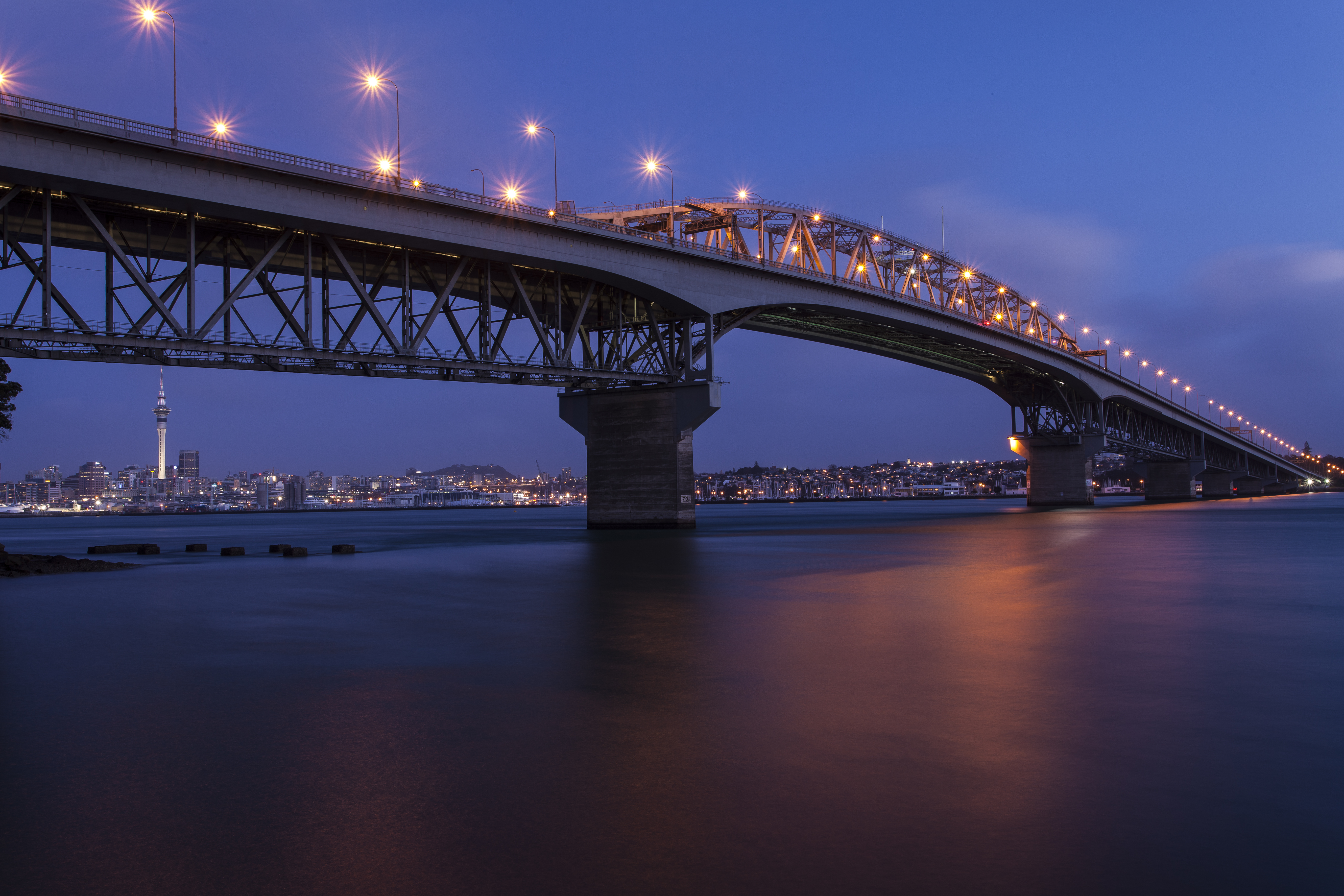
The Auckland Harbour Bridge stretches across the beautiful Waitematā Harbour.
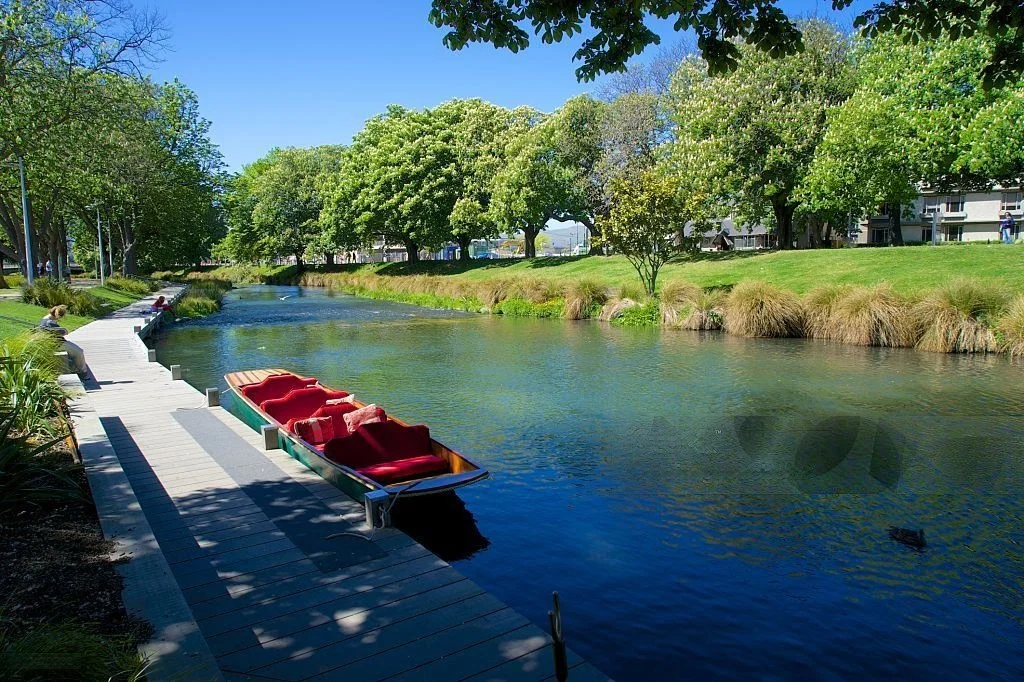
The Avon River is a peaceful and scenic jewel that flows through the heart of Christc
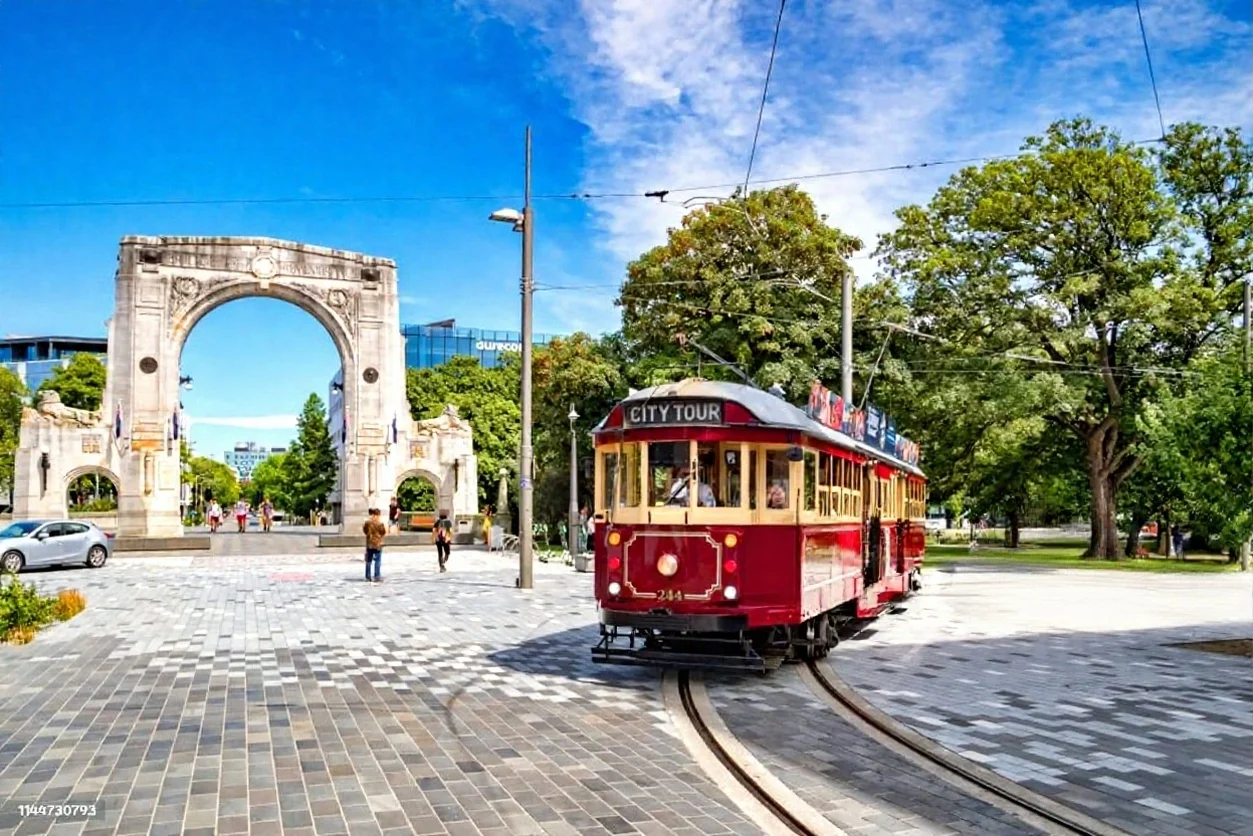
Located in the heart of Christchurch, the Bridge of Remembrance stands as a powerful
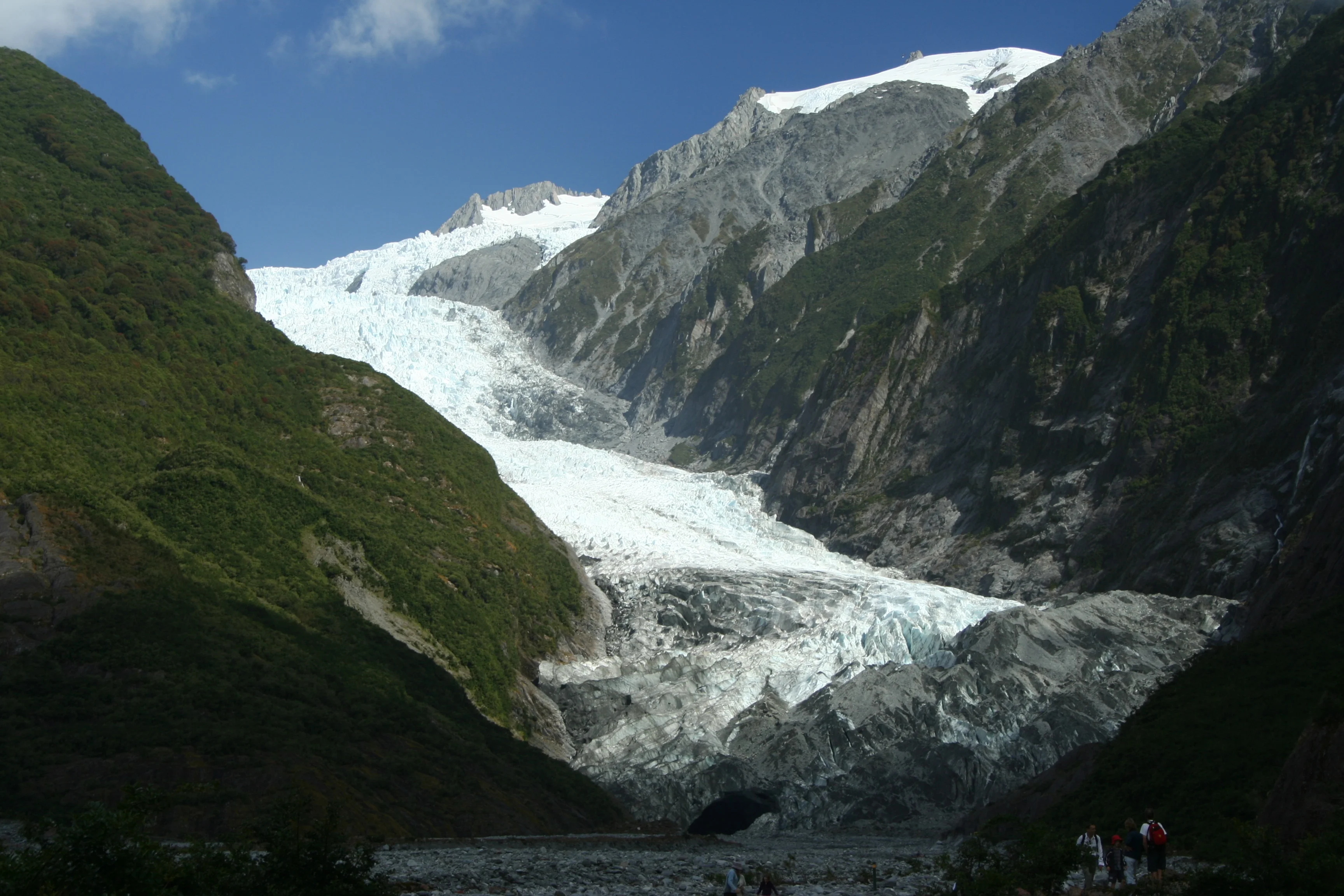
Franz Josef Glacier is one of New Zealand’s most accessible and spectacular nat

Located in Willowbank Wildlife Reserve, Christchurch, Ko Tāne offers an authentic journey into Māori culture with traditional practices, performances, and timeless s
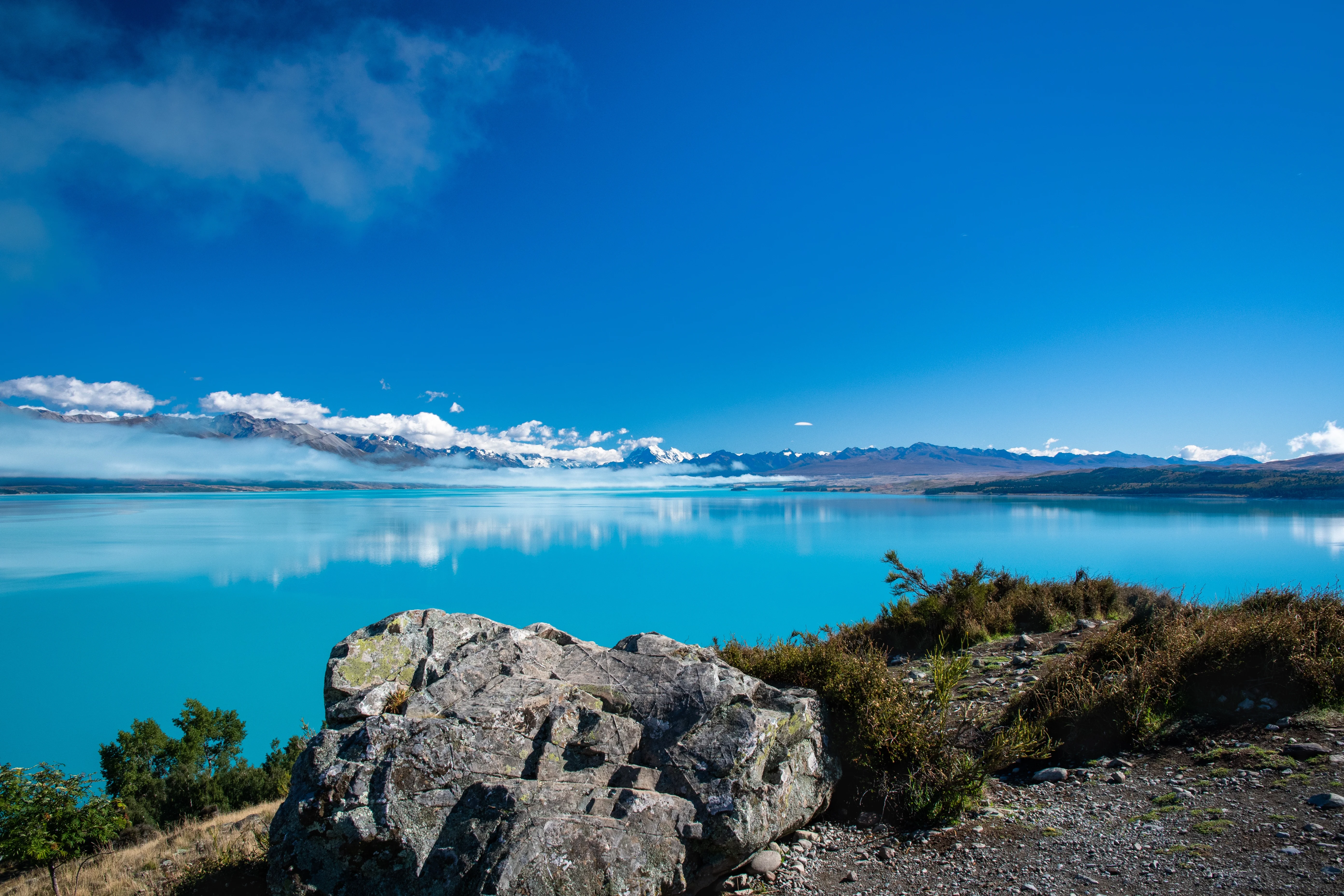
Few landscapes in the world capture the imagination quite like New Zealand’s South Island. Among its many natural gems, Lake Pukaki stands out as a breathtakin
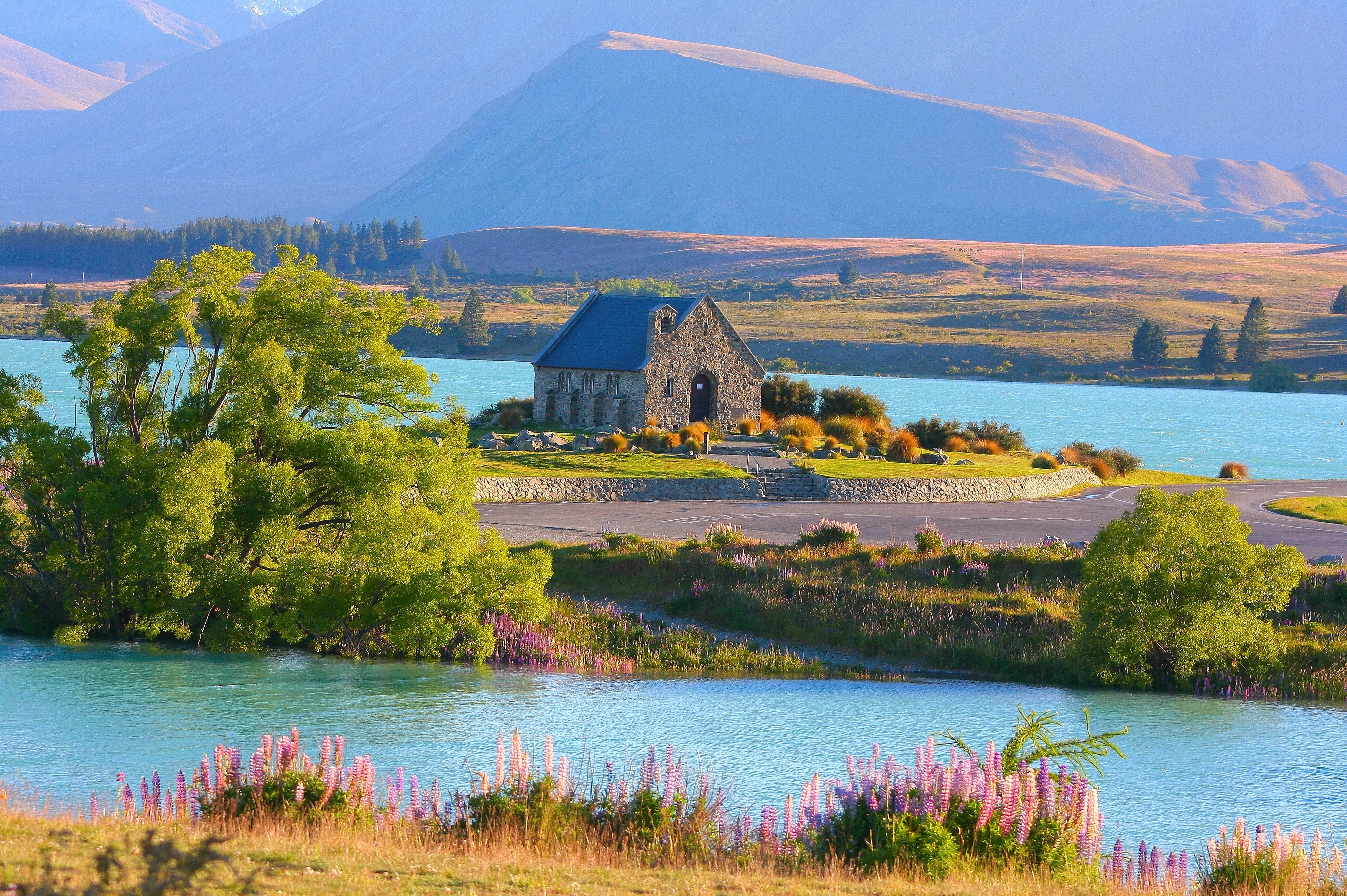
Nestled in the centre of New Zealand's southern island, Lake Tekapo is an alpine lake
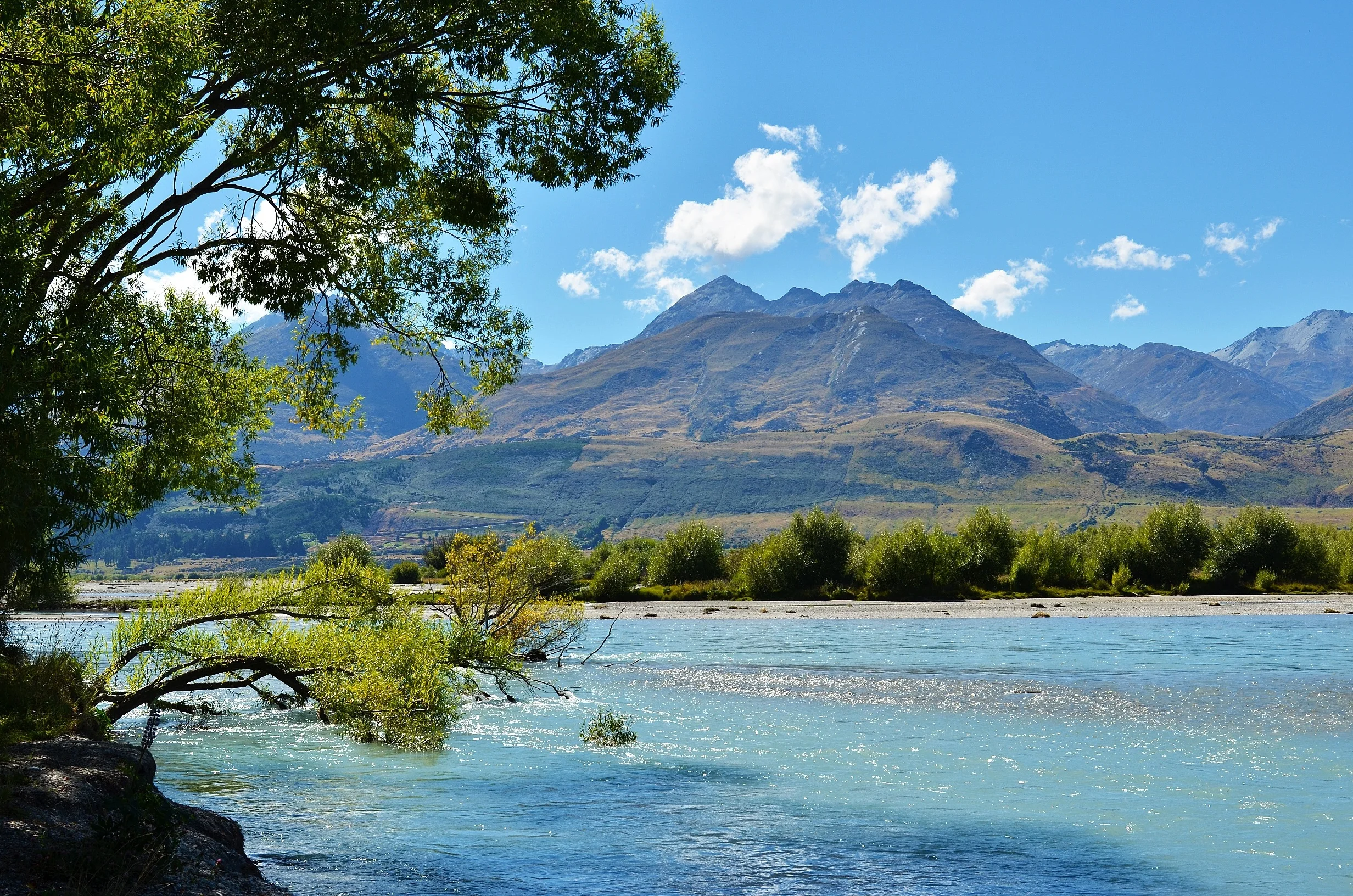
Lake Wakatipu, nestled among the towering peaks of New Zealand’s South Island, is a sparkling gem at the heart of Queenstown.